
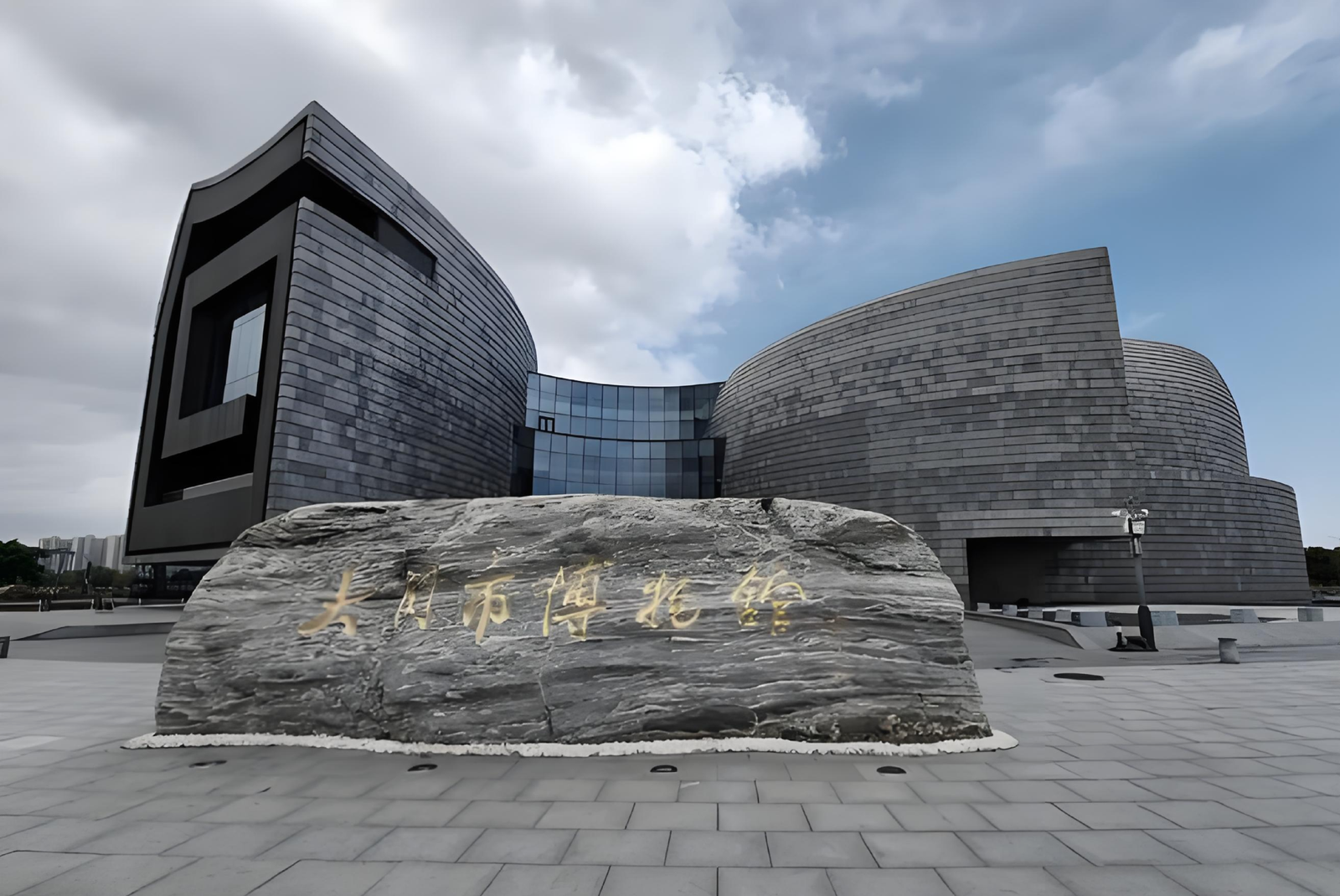
Datong City Museum — One Main Hall, Nine Branch Museums, and 170,000 Reasons to Go Inside
Datong, Shanxi, China | 50,000 m² Museum Complex | 170,000 Artifacts | 1 Main Museum + 9 Branches
Let’s be honest about museums: most travelers treat them as rainy-day plan B. Datong City Museum is plan A — and you’ll need a full day, possibly two, to do it justice.
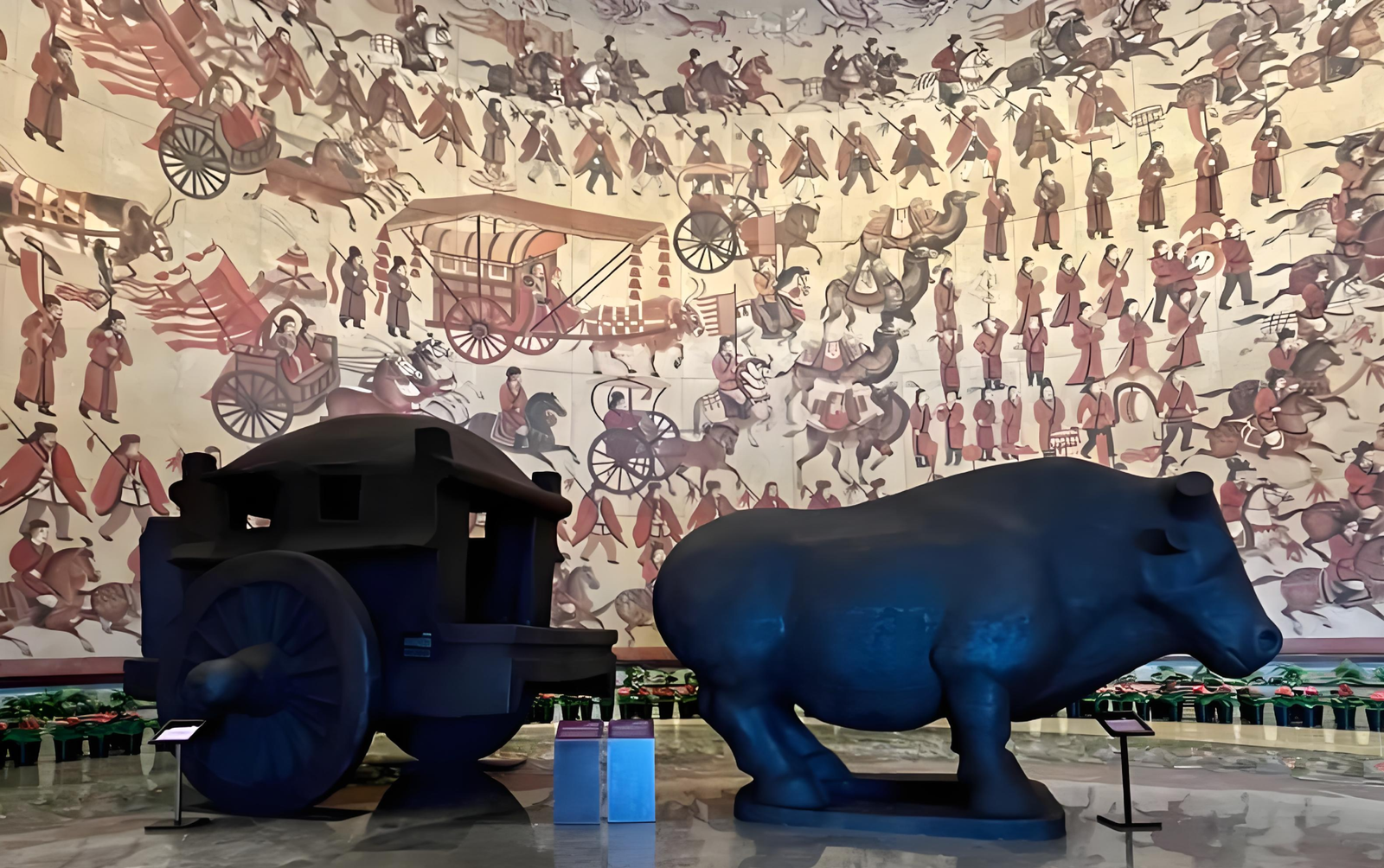
Across 50,000 square meters, housing more than 170,000 pieces, this isn’t a single building with glass cases. It’s a “Museum City” — one main hall linked to nine specialized branch museums scattered across Datong, each a deep dive into a different current of the city’s impossible history. Nomadic warriors and Buddhist saints. Frontier generals and revolutionary soldiers. A legendary architect and a god of literature. They all have a room here. You should visit them all.
Three Great Rivers of History, Under One Institution
Datong City Museum organizes its vast collection around three themes that define this corner of China, and understanding them changes how you see everything else in the city.
First: the northern nomads. Long before the Great Wall became a hard border, Datong was a meeting point — sometimes peaceful, often bloody — between the settled Chinese empires to the south and the steppe peoples to the north. The Xianbei, the founders of the Northern Wei Dynasty, came from these grasslands. The museum’s collection of nomadic artifacts — bronze belt buckles, horse trappings, weapons, jewelry, ritual objects — tells the story of a sophisticated mobile culture that wasn’t merely “barbarian” but was the other half of Chinese civilization’s DNA. For anyone who grew up with stereotypes about “nomadic hordes,” this gallery is a quiet, evidence-based correction.
Second: the military city. Datong was a fortress for two millennia — the last defended outpost before the steppe, the first line of resistance when empires clashed. The museum traces this martial history through weapons, armor, maps, seals of office, and the detritus of garrison life. You’ll understand why Xu Da built those 7.24 kilometers of wall, why every dynasty reinforced them, and what it meant to live in a city where war was not an event but a season.
Third: Buddhist culture. The Yungang Grottoes didn’t happen in a vacuum. The museum contextualizes the Buddhist explosion that produced those 59,000 cliff Buddhas — the scriptures, the ritual implements, the small devotional statues meant for home altars, the cross-cultural influences that flowed up the Silk Road and pooled in Datong. After visiting the grottoes, come here to understand what you saw.
The Crown Jewels: Northern Wei, Liao, and Jin
The collections from the Northern Wei (386–534), Liao (916–1125), and Jin (1115–1234) dynasties carry particular prestige — and for good reason.
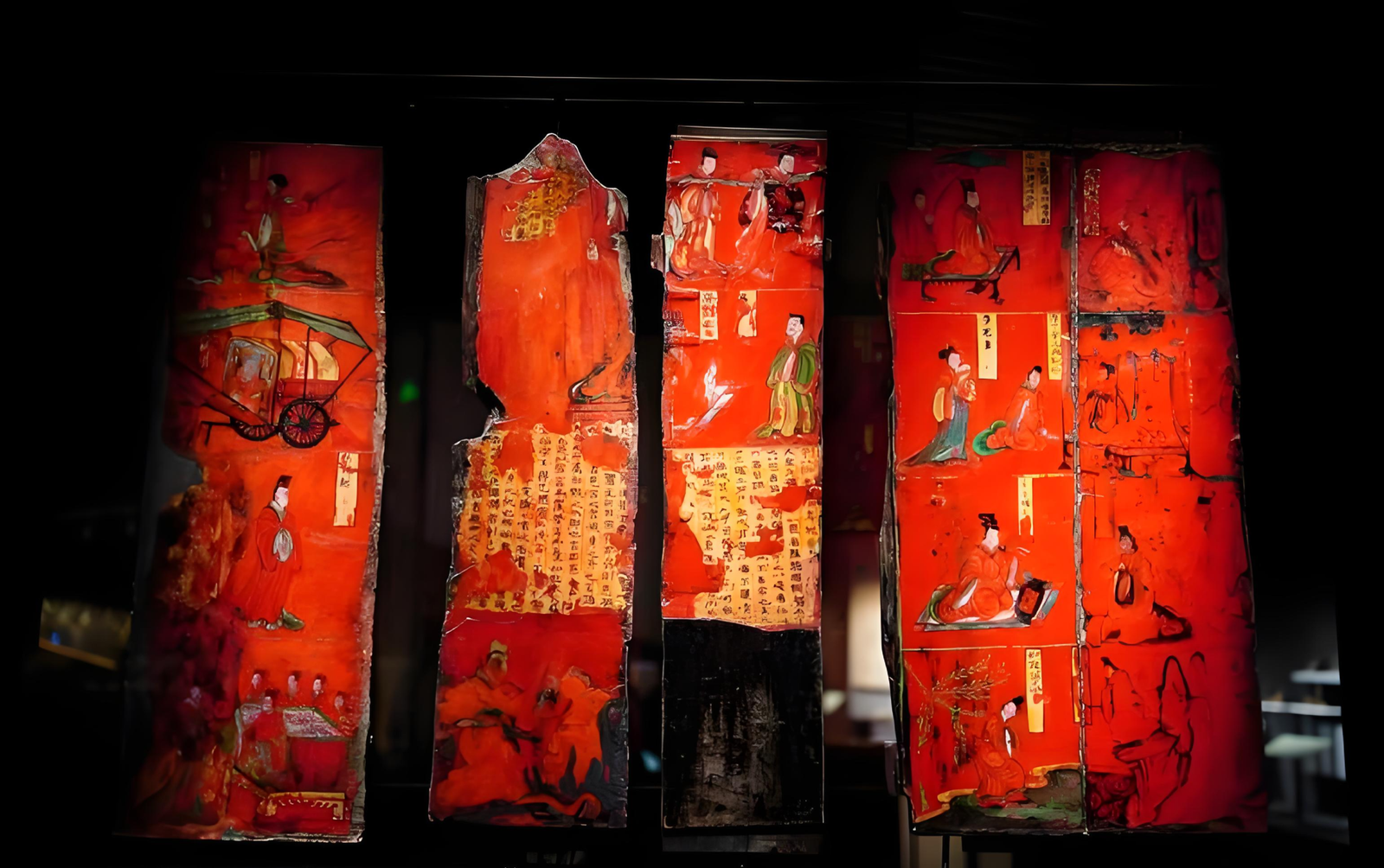
These were periods when Datong was not just important but imperial. The Northern Wei made it a capital. The Liao and Jin, both founded by semi-nomadic peoples who ruled northern China, made it a secondary capital and a cultural powerhouse. The artifacts from these centuries — ceramics fired with techniques lost to time, Buddhist sculpture that bridges Indian and Chinese aesthetics, goldwork of staggering delicacy, architectural fragments from palaces that have otherwise vanished — are among the finest of their kind in China. Scholars come for these collections. You should come because the objects are so beautiful they stop being artifacts and start being art.
The Museum City: One Becomes Ten
This is where Datong City Museum does something genuinely innovative and visitor-friendly. Rather than cramming everything into one overwhelming building, the museum operates on a “main museum plus branch museum” model. The main hall gives you the overview. Then nine specialized branches let you drill into specific obsessions.
The Nine Branches — Choose Your Adventure:
Liang Sicheng Memorial Hall — Dedicated to the man (1901–1972) who practically invented Chinese architectural history. Liang documented the wooden temples and pagodas that the rest of the world didn’t know existed. If you’ve ever marveled at a Chinese building’s bracket sets, you owe this man. His story is also a love story — he and his wife, the poet-architect Lin Huiyin, surveyed ancient sites across wartime China together. The hall is a pilgrimage site for architecture lovers.
Datong City Memory Museum — Not ancient history. Living memory. Photographs, objects, and oral histories from Datong’s 20th century — the coal boom, the Cultural Revolution, the recent renaissance. If you want to understand what Datong was like before it became a tourist destination, this is your stop.
Mingtang Hall Archaeological Site Museum — Built directly over the excavated foundations of the Northern Wei’s Mingtang (Bright Hall), the ritual complex where emperors communicated with heaven. This is archaeology you can walk through — the actual ruins, preserved in situ, with the museum structure suspended above them. It’s the closest you’ll get to standing in an imperial ritual space from the 5th century.
Kuixing Culture Museum — Kuixing is the god of literature and examinations, depicted as a demon-faced figure standing on one leg, holding a brush. For centuries, scholars burned incense to him before the imperial exams that determined their entire futures. This quirky, deeply human museum explores the culture of learning, aspiration, and terror that the exam system produced.
Northern Dynasties Museum — A deep dive into the turbulent centuries (roughly 386–581 CE) when northern China was ruled by a succession of short-lived dynasties founded by nomadic peoples, and Datong was the center of the world. The cultural fusion — Buddhist, nomadic, Chinese — reached its peak here.
National Integration of Liao, Jin and Yuan Dynasties Museum — How did three conquest dynasties — Khitan Liao, Jurchen Jin, Mongol Yuan — govern a multi-ethnic empire? This museum examines the political, social, and cultural mechanisms of integration across ethnic lines, with Datong as a central case study. Far more relevant to our times than you might expect.
Datong Red Culture Museum — The communist revolutionary history of the Datong region, from guerrilla warfare against the Japanese to the civil war period. A window into 20th-century ideology and struggle that shaped modern China.
Datong Ancient Copper Art Museum — Shanxi has been a center of metalworking for millennia, and Datong developed a distinctive school of copper artistry. Bronzes, copper vessels, decorative art — a celebration of material culture and craftsmanship.
Zhang Naitang’s Former Residence — The preserved home of a celebrated Datong calligrapher. A modest, intimate space where you can see how traditional scholars lived, worked, and practiced their art. The calligraphy itself — brushwork that transforms written characters into abstract expression — is an art form Western visitors often discover here for the first time.
How to Visit
The main museum requires 2–3 hours. It anchors the experience — start here to get the big picture, then choose your branches.
The branches are scattered across the city. You won’t hit all nine in one day, and you shouldn’t try. Pick two or three that match your interests. Architecture lover? Liang Sicheng Memorial Hall, non-negotiable. Archaeology obsessive? Mingtang Hall. Curious about China beyond emperors and temples? City Memory Museum and Red Culture Museum.
Practical intelligence:
- The main museum is centrally located and easily accessible from within the ancient city walls.
- Branch museums are well-signposted and connected by Datong’s efficient bus network. Taxis are cheap.
- Most museums are free or charge minimal entry fees (typically 20–50 RMB).
- Interpretive materials in English are available, though quality varies by branch. The main museum is well-translated.
- Allow at least one full day, ideally two, to properly combine the main museum with a few branches.
Where This Fits in Your Datong Journey
Datong is building its Museum City as a deliberate city calling card — a recognition that travelers increasingly want depth, not just selfies.
Sequence it wisely:
- Day 1: Yungang Grottoes (morning), main city museum (afternoon).
- Day 2: Mount Hengshan and Hanging Temple (full day).
- Day 3: Datong Ancient City walls, Sipailou, and 2–3 branch museums of your choice.
- Evenings: Datong’s ancient city streets, food, night markets. Linger.
The grottoes show you the Buddhist art. The Hanging Temple shows you architectural audacity. Hengshan shows you sacred nature. The city walls show you urban defense. The museum ties it all together — the why, the who, the context that transforms a trip into an education. Without the museum, you see. With the museum, you understand.
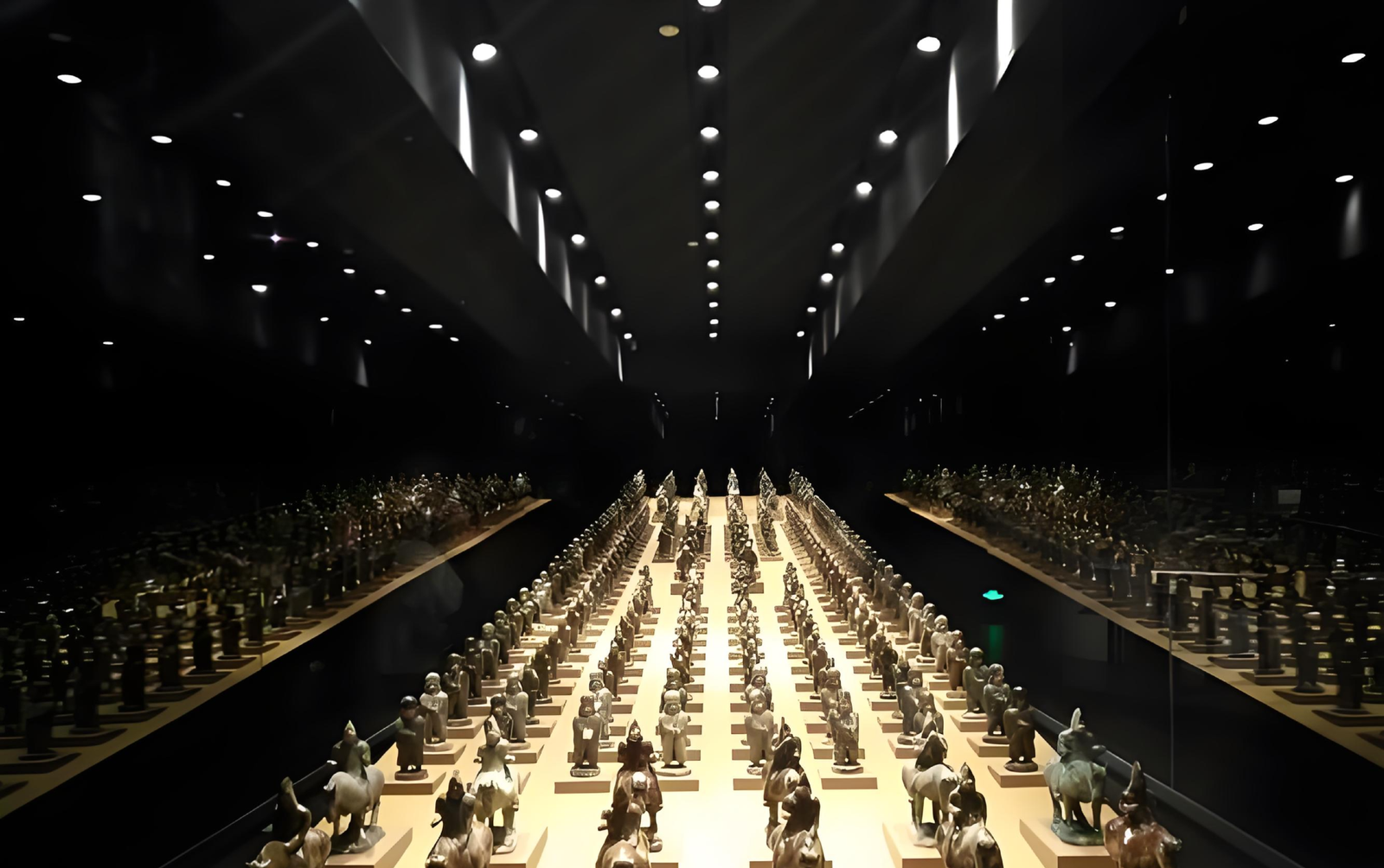
There are museums you walk through. And then there are museums that walk through you — that rearrange your sense of what a city has been, what it lost, what it kept, and what it’s still becoming. Datong City Museum, in all ten of its buildings, is the second kind. Come for the artifacts. Stay for the story they tell — a story about what happens when nomads and empires, warriors and monks, poets and revolutionaries all call the same place home.

IKONISCH
170,000 artifacts from the Northern Wei capital — Silk Road gold, Liao Dynasty porcelain, and colossal stone Buddhas rescued from lost temples, all under one roof.
BUZZ
“The decoder ring for Yungang Grottoes” — a quiet, world-class collection with zero queues and every label in English.
REACH
15-minute taxi from the ancient city wall — perfect rainy-day backup or air-conditioned morning warm-up.
ZEITPLAN
Year-round indoor comfort — ideal morning first stop for context, or a blazing July afternoon escape. Closed Mondays.

MATCH
History nerds who refuse to visit ruins without context, families with kids, and anyone who wants to know why before they see what.
WERT
Free. With free lockers, free Wi-Fi, and air conditioning that alone is worth the visit in August.