A first-timer’s guide to Datong’s knife-cut noodles
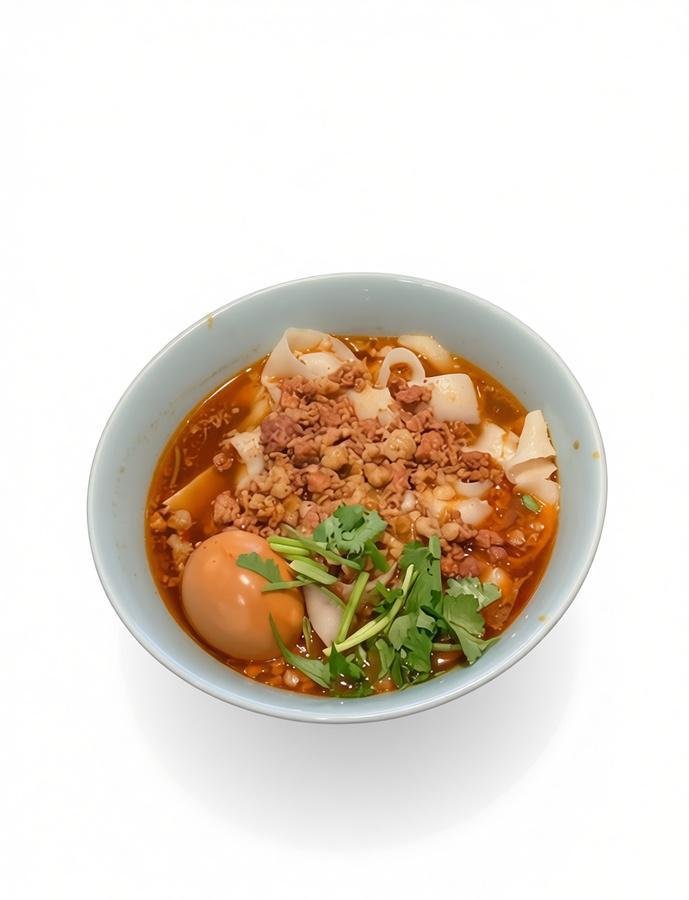
There are noodles all over China, and then there is Shanxi, where people have been
arguing about noodle shapes for centuries. Knife-cut noodles (dao xiao mian) are the
province’s most famous shape, and Datong — cold, wheat-growing, and proudly unimpressed by fancy
food — is one of the best places to eat them.
What you are looking at
Unlike hand-pulled or rolled noodles, these never touch a rolling pin. The dough is mixed, rested,
then held at an angle over the pot while the cook shaves it with a curved blade. The strips fall
straight into the water — thick in the middle, thin at the edges, shaped a bit like leaves. Locals
judge a shop by the evenness of the fall and the rhythm of the blade.
The order, decoded
A Datong noodle menu is shorter than it looks. Pick a topping and a size; everything else is
sides:
- Tomato and egg — the mild everyday bowl, and the vegetarian default.
- Braised pork — the richest choice; soy-braised meat spooned over the top.
- Beef or lamb — usually finished with fried chili; medium spice at most.
Add a braised egg or dried tofu on the side. Vinegar is on the table — Shanxi produces most of
China’s vinegar, and people here use it the way other regions use chili oil.
Money and timing
¥10–30 covers a full bowl in an ordinary shop; sides run a few yuan more. Noodle shops do a
brisk lunch and stay open into the evening. In winter, the same bowl doubles as central heating.
One etiquette note
Slurping is normal and quietly encouraged — it cools the noodles and, according to everyone’s
grandmother, makes them taste better. Paper towels are usually self-service; keep a stack by your
bowl.
Want the short version? It is on our knife-cut noodles
guide, along with what to pair it with afterwards.